
Live Visualisation as Participant
Quick-fire visual questions
At The People Speak, creative conversation is the whole point. Whether we’re hosting Talkaoke or facilitating community sessions, the magic lives in the moment, in the host who can link unexpected points of discussion, throw out a question that makes someone stop and think, and let a conversation go somewhere unexpected.
Since 2023, we’ve been lucky to develop that same spirit of live improvisation with artist Christopher Gerhard, who has spent a series of Talkaoke events around the UK sharpening his craft of instant visualisation. Like the Visualisers we’ve worked with before him, Christopher brings something distinct: a background in narrative environments and architecture that shapes how he sees a conversation unfold in space. But it’s his interpersonal instinct that really sets the work apart. He isn’t tucked away quietly building an image in the background – he’s very much involved in the process. Talking, prompting, feeding off the room, and bringing it straight back into what he’s drawing.

Here’s what that’s looked like in practice.
Streets of Growth, Tower Hamlets (August 2023)
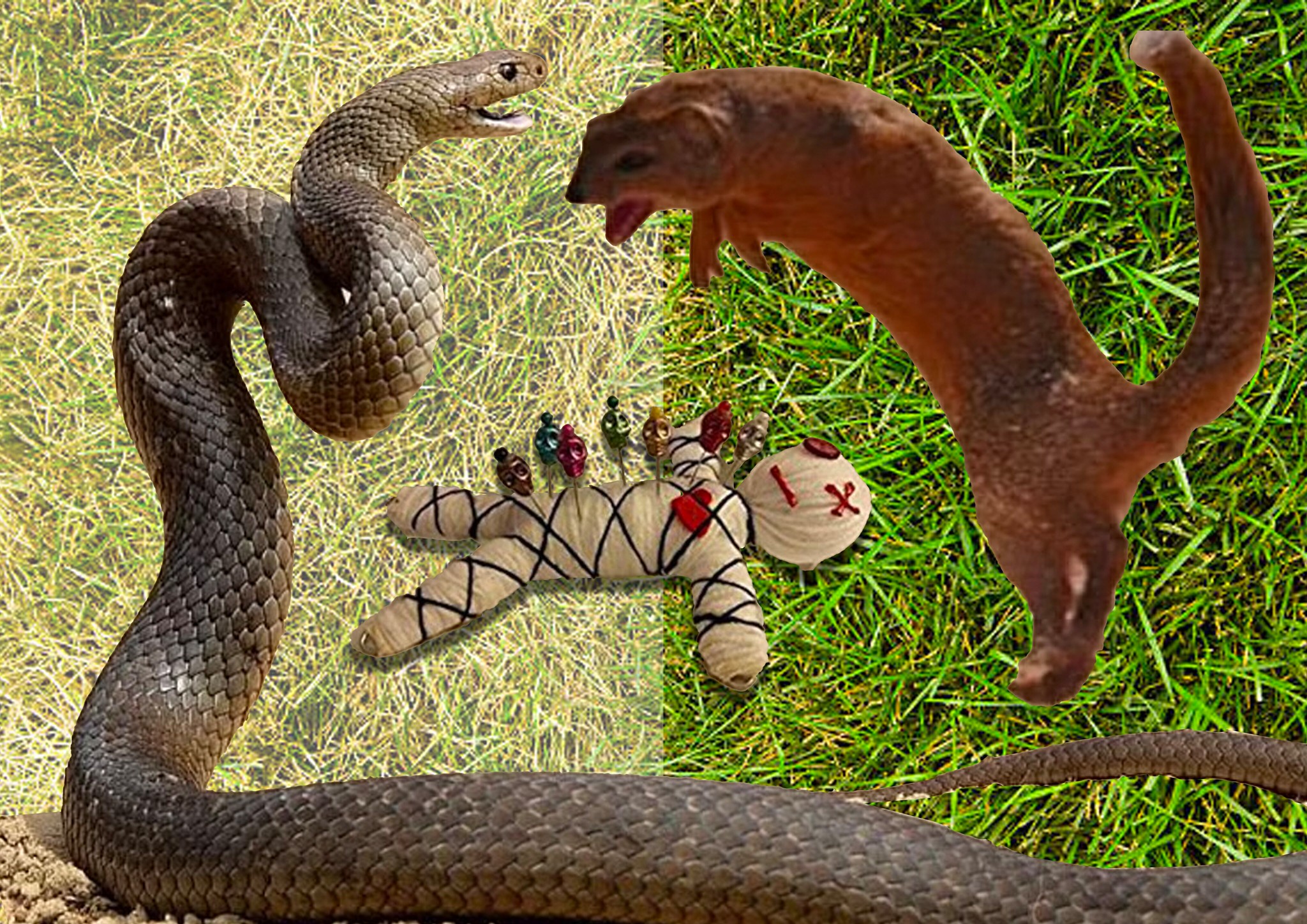
Our first project together was with this youth charity, exploring cultural taboos among young people. The conversation drifted toward mental health and the idea of being “under a spell,” and Christopher ran with it sketching a snake and a mongoose, old folkloric enemies (mongooses being famously immune to snake venom), alongside a voodoo doll tied to ideas of black magic. The images cracked something open: a rich conversation about what young people today still believe about “black magic,” and it turned up local urban legends, real events in the area that had been branded as “juju” and passed down as folklore.
Climate Lab, Pendle
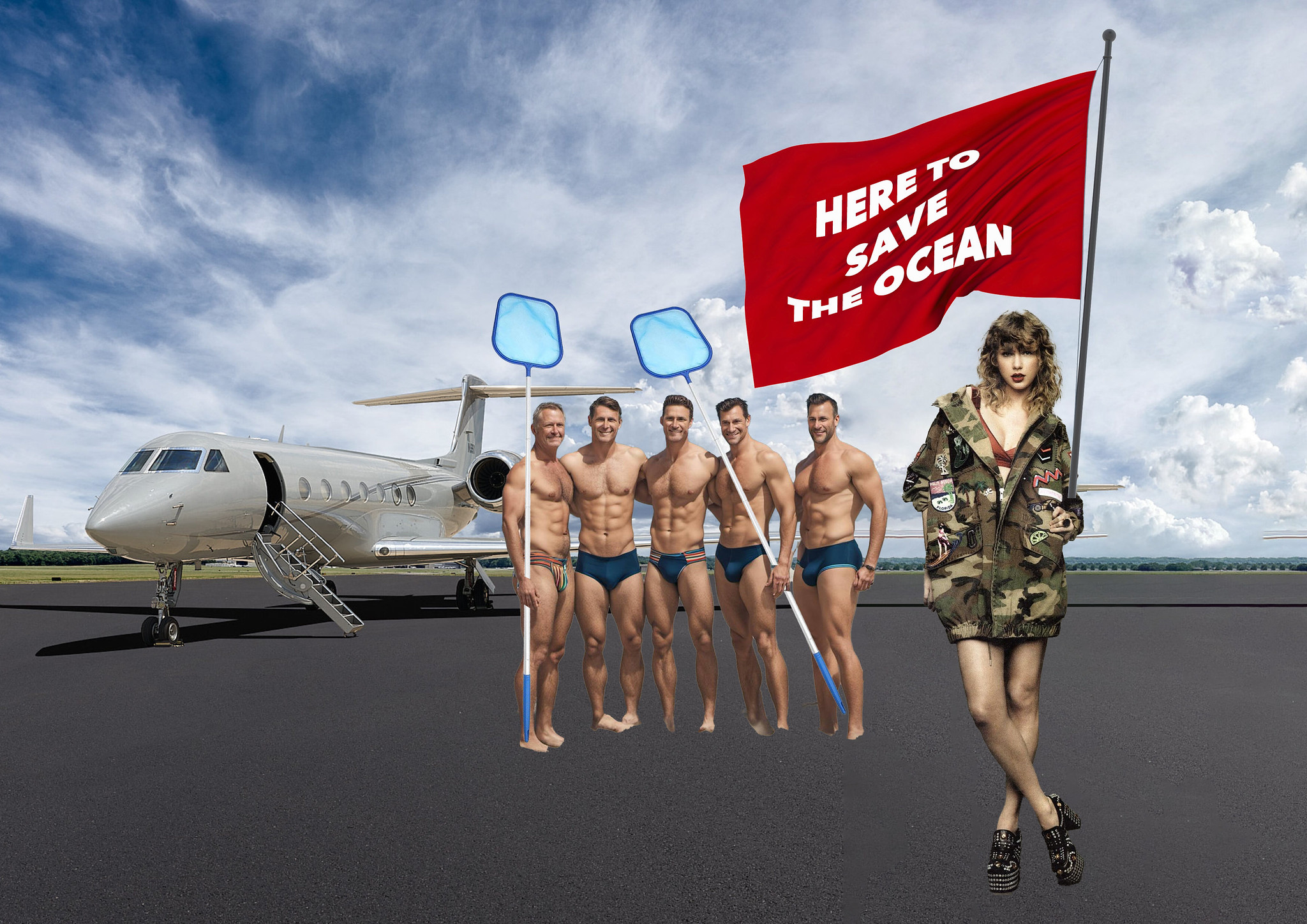
Working with our long-term partners In Situ, we brought together attendees across generations to map the challenges and emotions around climate change. As the conversation went on, we noticed older participants slipping into an educational register – the voice of the newspaper – that the teenagers in the room found hard to connect with. Christopher cut through it with humour and a pop-culture reference (Taylor Swift, naturally), which opened the climate conversation back up and drew out some of the quieter young voices in the room.
Emma Cons Gardens, Waterloo
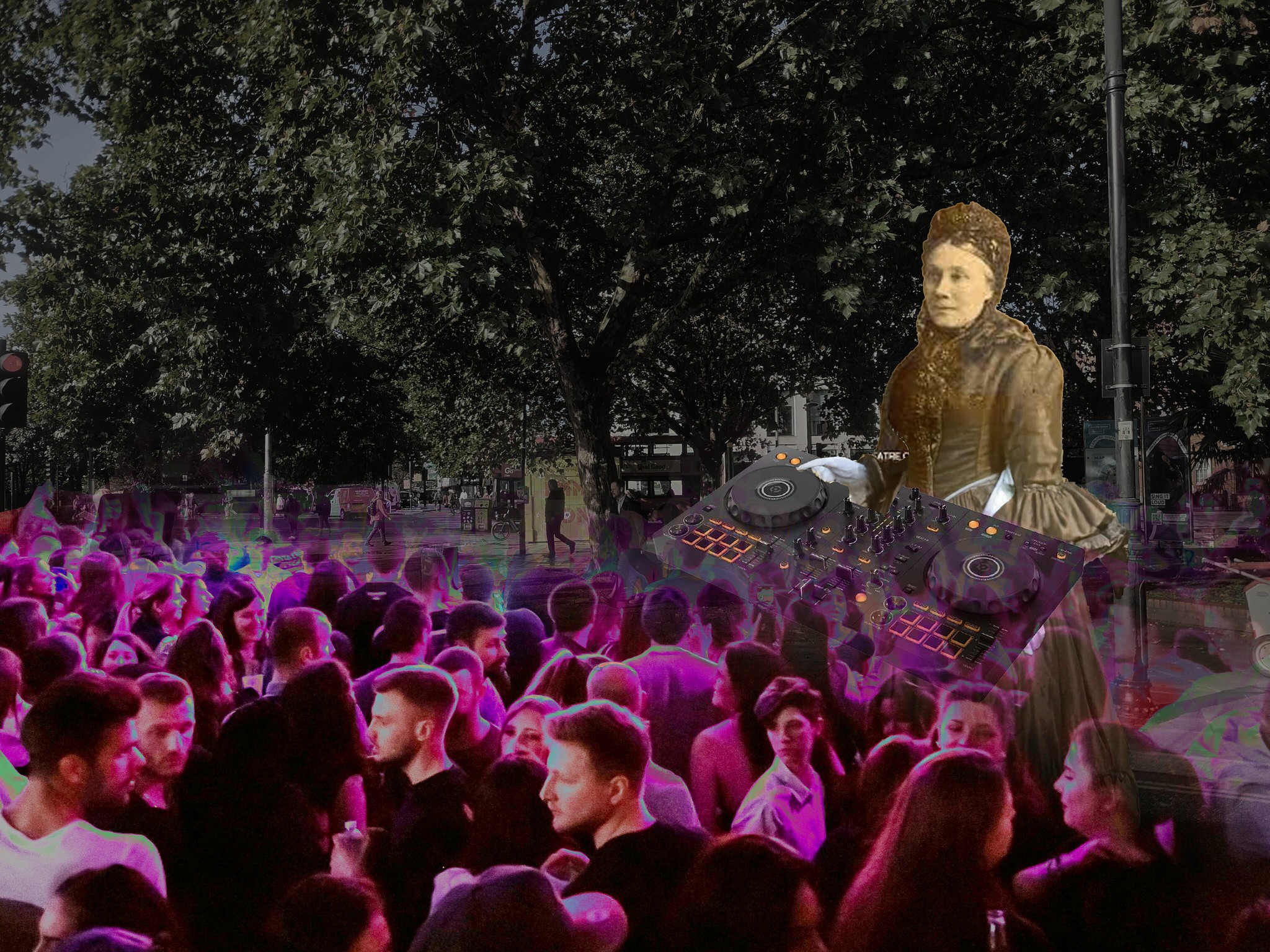
Named after the Victorian social reformer and temperance campaigner who believed in an educated, egalitarian, cultured society. In the dialogue event in 2025, Cons, a patron for the arts and music, was interpreted by Christopher as a rave enthusiast. It turned out to be prophetic: this year (2026), the Reimagining Emma Cons Gardens events series included early-morning sober raves, catching commuters completely by surprise (in the best way).
Chadwell St Mary’s, Thurrock
In a series of community conversations across Thurrock, we sat down with locals wondering how to put their village more firmly on the UK’s tourist map. Few people realised that in 1588 Queen Elizabeth I addressed her troops in a nearby field before a battle against the Spanish Armada. This spiralled, as these things do, into a debate about the great symbols of British culture. Who’s contributed more to British society: King Charles and his environmental campaigning, or the Spice Girls? The debate was settled the moment Christopher produced his visualisation: Queen Elizabeth as the sixth Spice Girl – Queen Spice – head tilted, full sass. It opened up a whole new thread about how we represent historical figures, and whether we can ever really know what they were like as people.

The artist’s take
Instant visualisations are rough. They’re bold. They are deliberately not the glossy, polished image that’s had hours of refinement. That roughness is the point because a live conversation is rough too. Once you’re in the flow of a real exchange, you’re not editing yourself into something smooth and presentable. Instead you’re reacting.
We all bring our own experiences and cultural references into how we host a conversation. The same is true of visualising one. Christopher’s instant visualisation style grew out of the same speedy, reactive instinct as Talkaoke hosting itself: a quick-fire, Photoshop-style collage built live, in response to what’s actually being said. It doesn’t answer questions. It provokes new ones, opening up avenues the group hadn’t thought to explore.
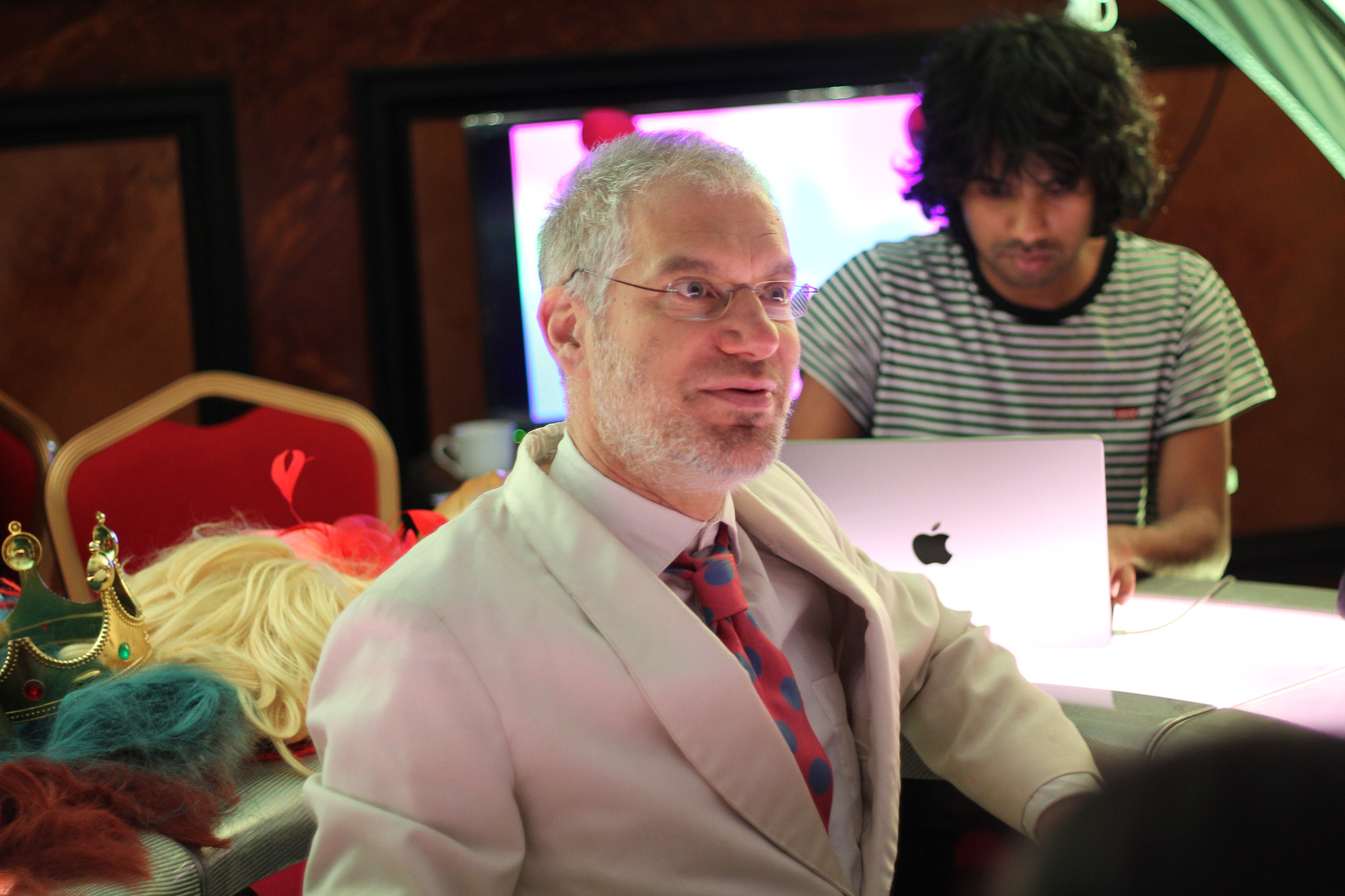
“I see the visuals as references for references. A moment to instigate a thought that in the sincerity of the setting is not articulated. In some situations it’s an opportunity to tip the tables, push the way we perceive things. It’s honestly the most inspiring position to be in, absorbing so many perspective and kind of mapping the to other ones” – Christopher
Yes, these images also work as a stamp-in-time of the session, something to jog memories and recall the main themes later. But that’s not really their function. They’re not “visual minutes,” and they’re not a polished, AI-generated image standing in for the conversation.
That’s a different thing entirely from the visual-minutes style. Many facilitators use sketch-style notes drawn live on a big sheet of paper or a blackboard in the room. Those have their place too, especially in evaluation sessions, where capturing every theme in detail makes the report more accessible with linked details.
With people increasingly turning to AI-generated images to speak their imagination, chasing the impression of something elaborate and polished, all vivid colour and realistic detail, for their posters, flyers and newsletters. And to be honest, we can all spot them now.
Leave a Reply
Sign up for our mailing list.
Follow & Watch Us:


